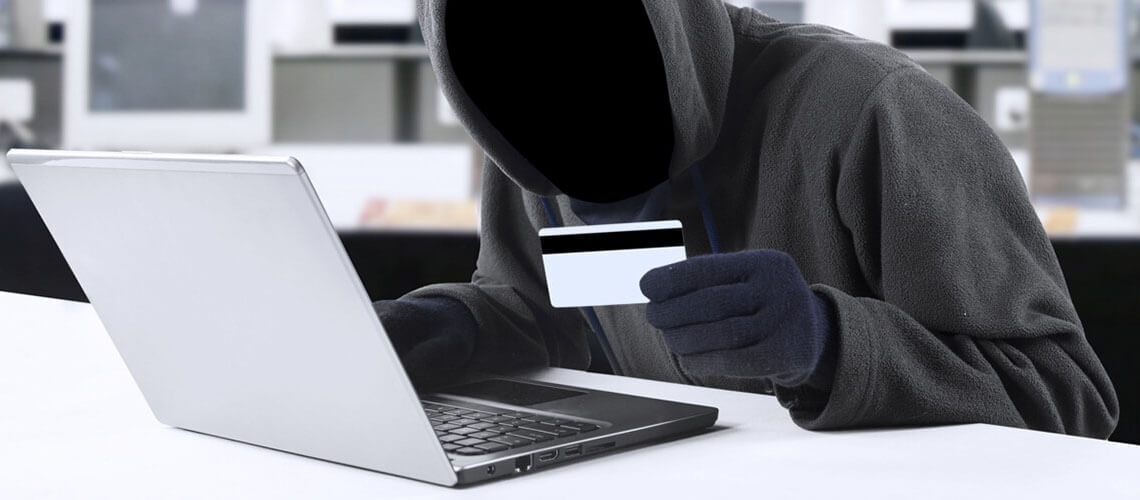
Internet Fraud or Cybercrime refers to a wide range of crimes that take place with the use of computer
technology.
We have represented clients in a vast range of cybercrime cases from fraud and the hacking of
competitors in commercial espionage cases to employees using computers to whistleblow about public
interest matters to newspapers.
The increased use of computer technology and social media can mean that a person may become involved in
cybercrime-related investigations without even realising the potential criminal liability arising from
their actions.
There are two main areas of cybercrime:
- Cyber-dependent crime, which can be committed through the use of online devices where the devices
are both the tool to commit the crimes and the target of the crime
- Cyber-enabled crimes, which are traditional crimes enhanced by the use of technology.
FeyEmpower Legalfirm have exceptional expertise in areas of law that are important when representing
individuals accused of cybercrime. We have advised clients on fraud, data protection, hacking, misuse of
computers, malicious communications, investigatory powers, national security, official secrets, indecent
images and terrorism.
Legislation in this area of law is ever-increasing and can be complex. The Computer Misuse Act 1990
creates cybercrime offences but is complimented by other statutes such as Regulation of Investigatory
Powers Act 2000, Data Protection Act 1998, Malicious Communications Act 2002, and Forgery and
Counterfeiting Act 1981. Terrorism legislation also has aspects which are designed to meet the
prevalence in the use of technology in such cases.
Our experienced fraud lawyers are able to represent clients accused of cyber-enabled fraud where an
individual is accused of using the internet to gain sensitive personal information through phishing
attempts through websites of by the installation of malware on their devices.
Their cases are always brilliantly prepared,’ and ‘they will always be 100% behind the client,
looking for the best results. They are kind and effective, a difficult combination to achieve’.
Chambers and Partners
The nature of technology and the ability for computers and storage devices to retain vast amounts of
information means that cybercrime cases often involve a careful analysis of huge volumes of material.
Law enforcement agencies can filter and select data from vast pools of digital material to use as
evidence to support their allegations. In such cases, where appropriate, our lawyers, working with
computer experts and specialist digital data analysts, can sift through all the available material to
identify evidence that can help the defence.
As a result of the borderless nature of the internet, cybercrime investigations can extend across
multiple countries. Often in such cases where a person should be prosecuted can become an issue. Our
lawyers have extensive experience in cross-border cybercrime cases and can advise on how to deal with
extradition and mutual legal assistance requests.